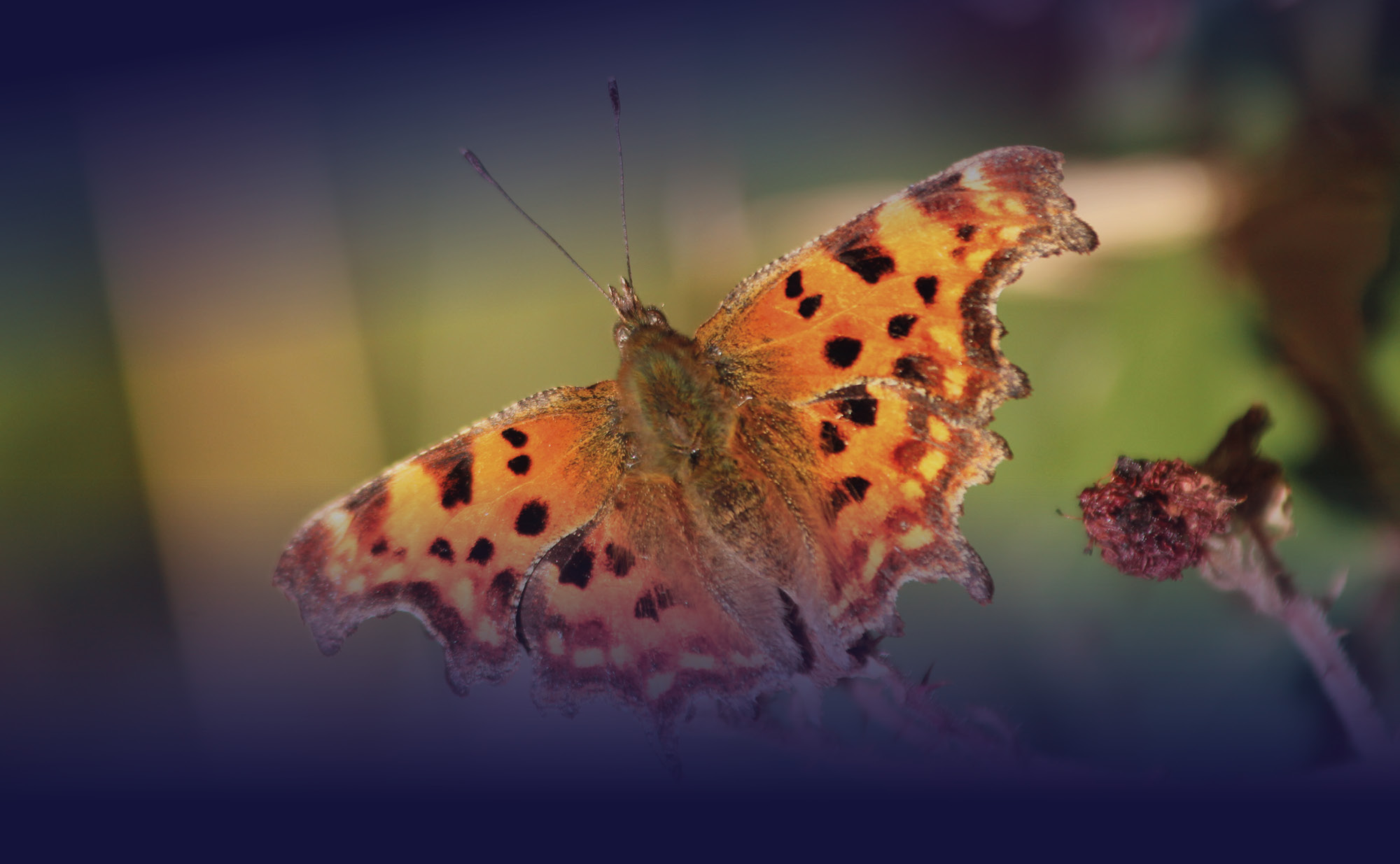
colourful butterfly

Wildlife at
Panshanger Park


Report a Wildlife sighting

Our Next Event

Dragonfly Walk At Panshanger Park


Saturday 27th June 2026


Find out more


Getting here

Panshanger Lane Car Park
follow post code
SG14 2TS


Thieves Lane Car Park
follow post code
SG14 2WN


Getting here


Thieves Lane Car Park 

follow postcode

XXX XXX


Panshanger Lane Car Park 

follow postcode

XXX XXX


Panshanger Park is made up of six mosaic habitats including woodlands, wetlands, grasslands, lakes, and rivers. The mammal inhabitants of the park are hugely varied—from the tiny shrew to the mighty fallow deer. It is an ideal habitat for bats, with 7 out of the 18 UK breeding species recorded in the park. A wide variety of birds can be seen throughout the year, including wildfowl and waders in winter. Large numbers of dragonflies can be seen around the lakes in summer, and during winter, one of the lake margins has become a great place to spot an array of waders.


Dragonflies


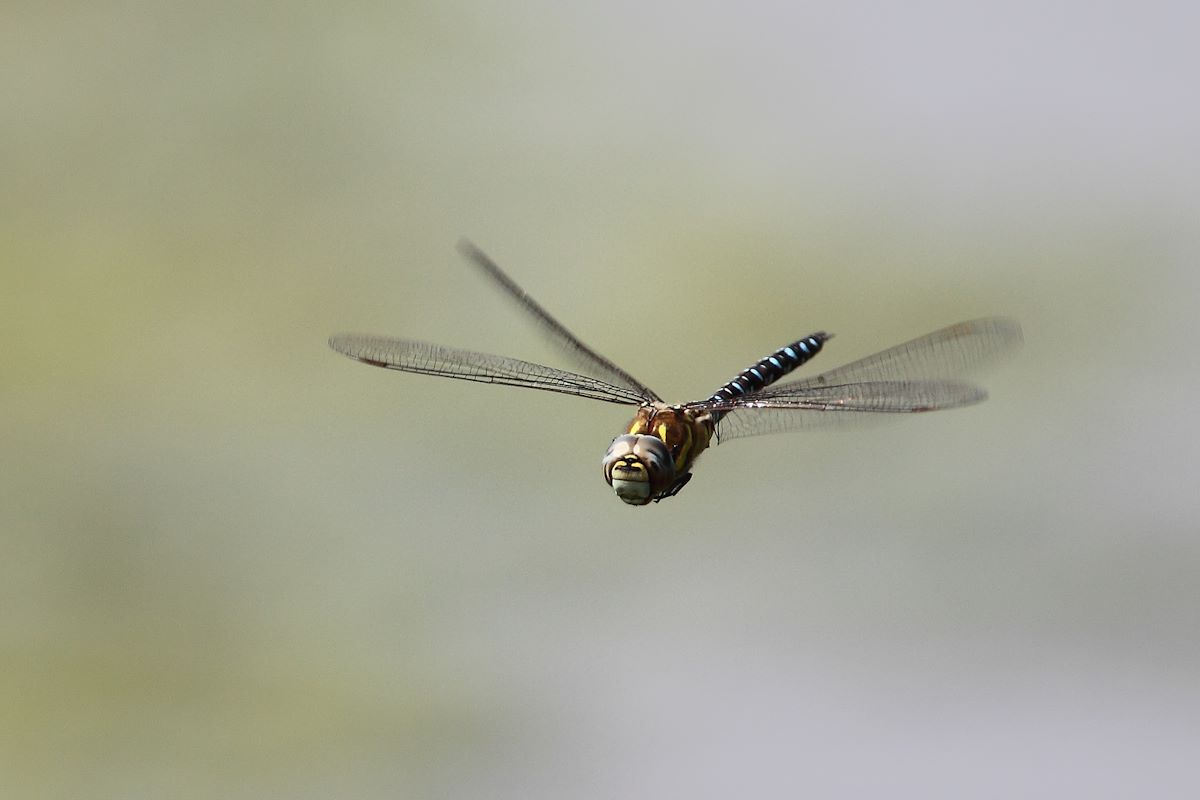
Panshanger Park is home to 17 species of dragonfly and damselfly, including nationally scarce species such as the Hairy Dragonfly and Red-eyed Damselfly. The best time to see them is on warm sunny days between May and September when they are most active—hunting for insects over water or resting on vegetation around lake edges.

Dragonflies are ancient insects that have existed since before dinosaurs roamed Earth! They spend most of their lives as larvae underwater before emerging as adults, which we see flying around ponds, lakes, and rivers hunting for food or looking for mates.
Image

Wildfowl


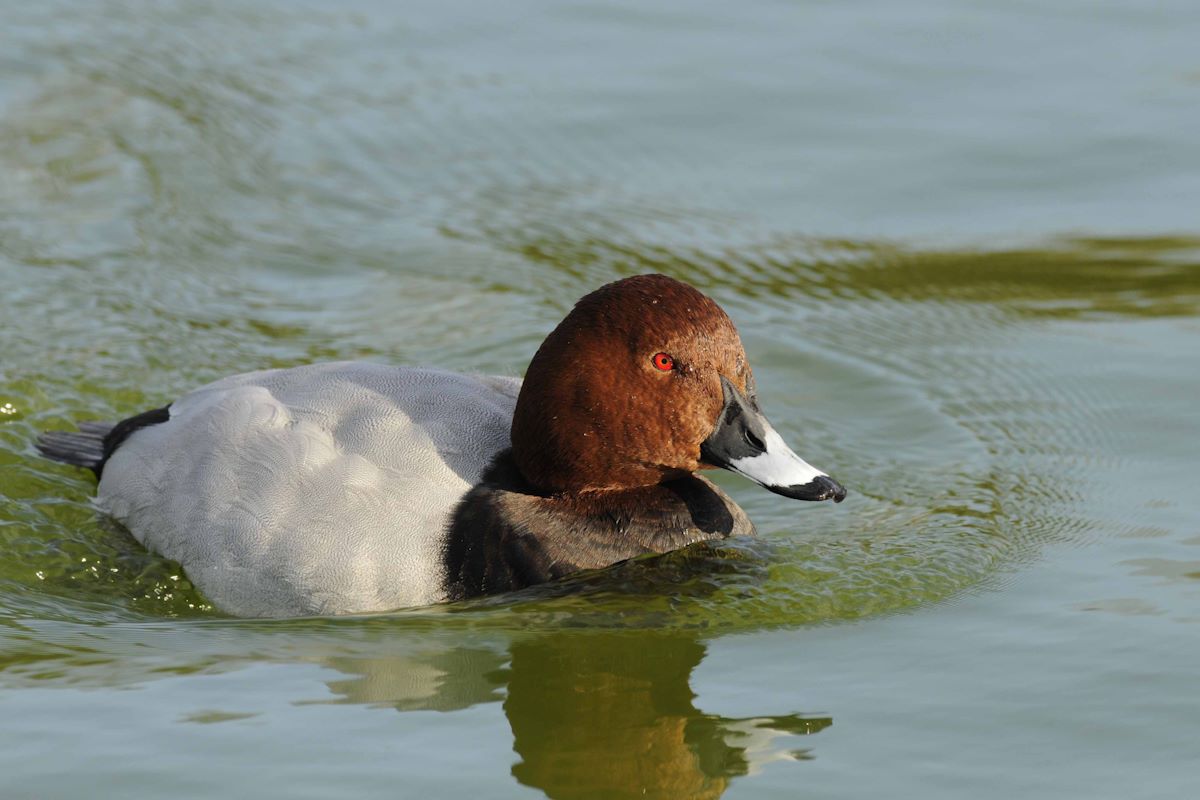
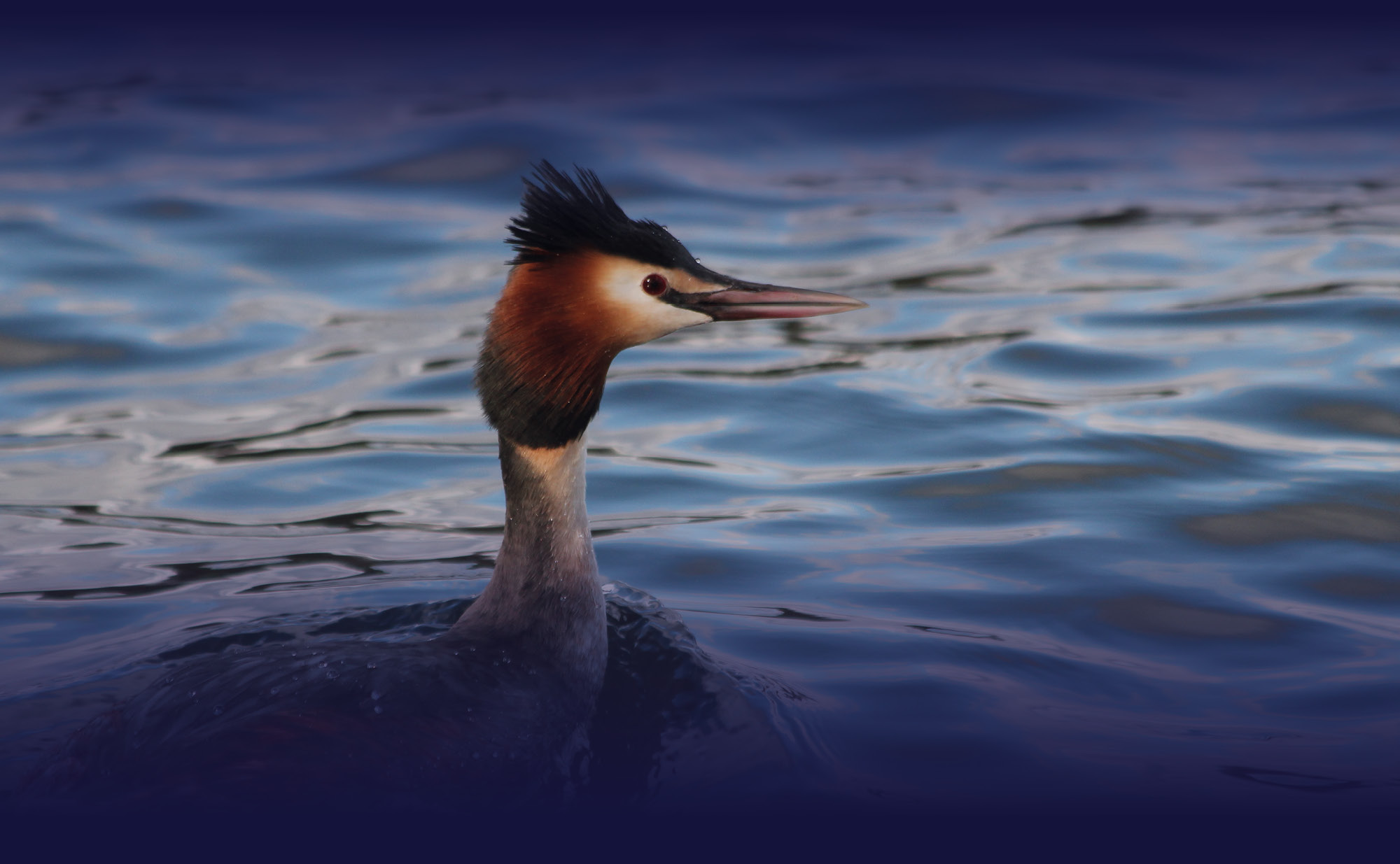
Panshanger supports several species of ducks and other wildfowl visible year-round. In winter, additional birds arrive from further north seeking milder conditions, such as Teal and Shoveler. Some wildfowl are attracted to the lakes due to rich feeding grounds, while others prefer smaller woodland ponds for shelter.

Male ducks often have brightly coloured plumage, while females tend toward muted tones for better camouflage when nesting near water’s edge.
Image

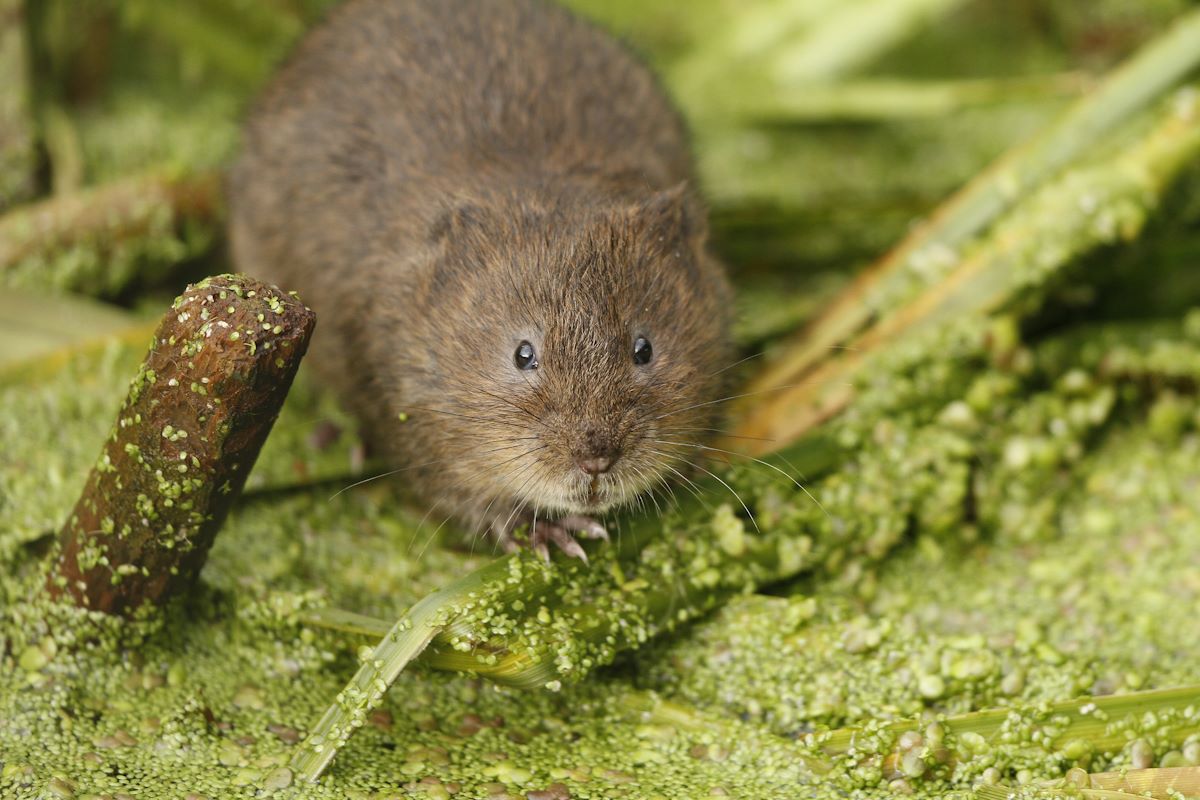
Water Voles


Water voles are Britain’s fastest declining mammal, having disappeared from over 90% of their former habitats. Once common along UK riverbanks, they now face threats including habitat loss and predation by non-native American Mink.

A small population survives at Panshanger thanks to ongoing conservation efforts. Habitat management, such as maintaining bankside vegetation, helps prevent erosion and provides cover—essential for vole survival.

These efforts support a diverse range of plants and animals, benefiting everyone who visits and enjoys the park’s natural beauty.
Image
Image

Bats


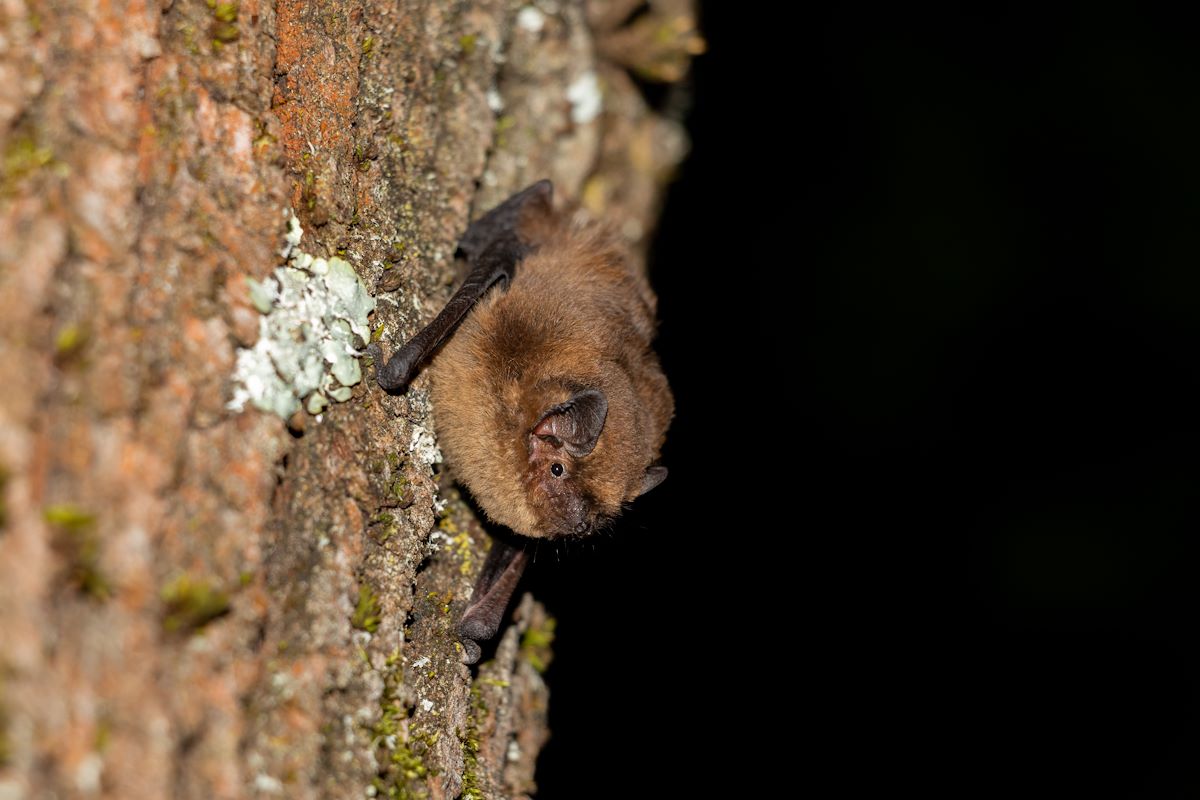
Panshanger Park is a particularly important place for bats as it is home to 10 different species out of the 12 found in Hertfordshire. The reason for this is the variety of habitats found here. These habitats support a huge diversity of flying insects providing a range of food for different species of bats. Another reason the park is good for bats is the vast amount of natural roost sites. More than 500 veteran trees provide lots of splits and crevices in which bats roost during the day before coming out at dusk to hunt. Look out for our bat walks in our events programme where we spend an evening looking out and listening for bats in the park.
Image

Warblers


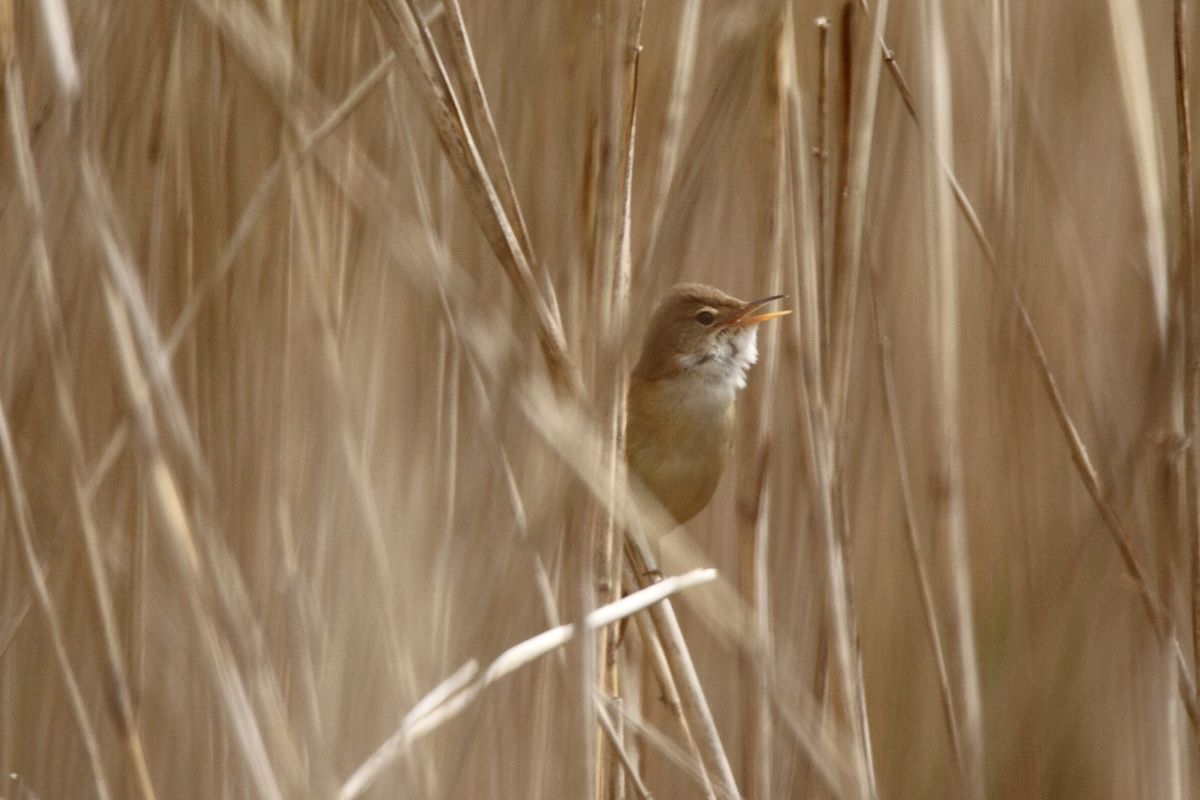
Every summer, Panshanger Park is home to many migratory species of warblers. One of the best places to look for these long-distance travellers is the tall vegetation which surrounds Osprey Lake. Here, vast numbers of insects provide food for the birds and their chicks. Reed and sedge warblers use the marsh areas.
Image

Osprey


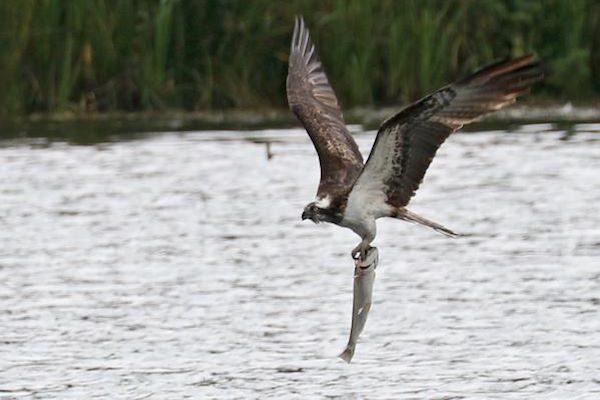
Ospreys are large fish-eating birds of prey that migrate every year in spring and autumn, between the UK and Africa. Here at Panshanger Park, we have a regular visit from an osprey in late summer/autumn as it makes its way back to Africa. The osprey often stops for a few days to feed on fish from the lakes before continuing its long journey south. Keep an eye out for it in early September and you may be lucky enough to see it catching fish from Osprey Lake.
Image

Birds of Prey


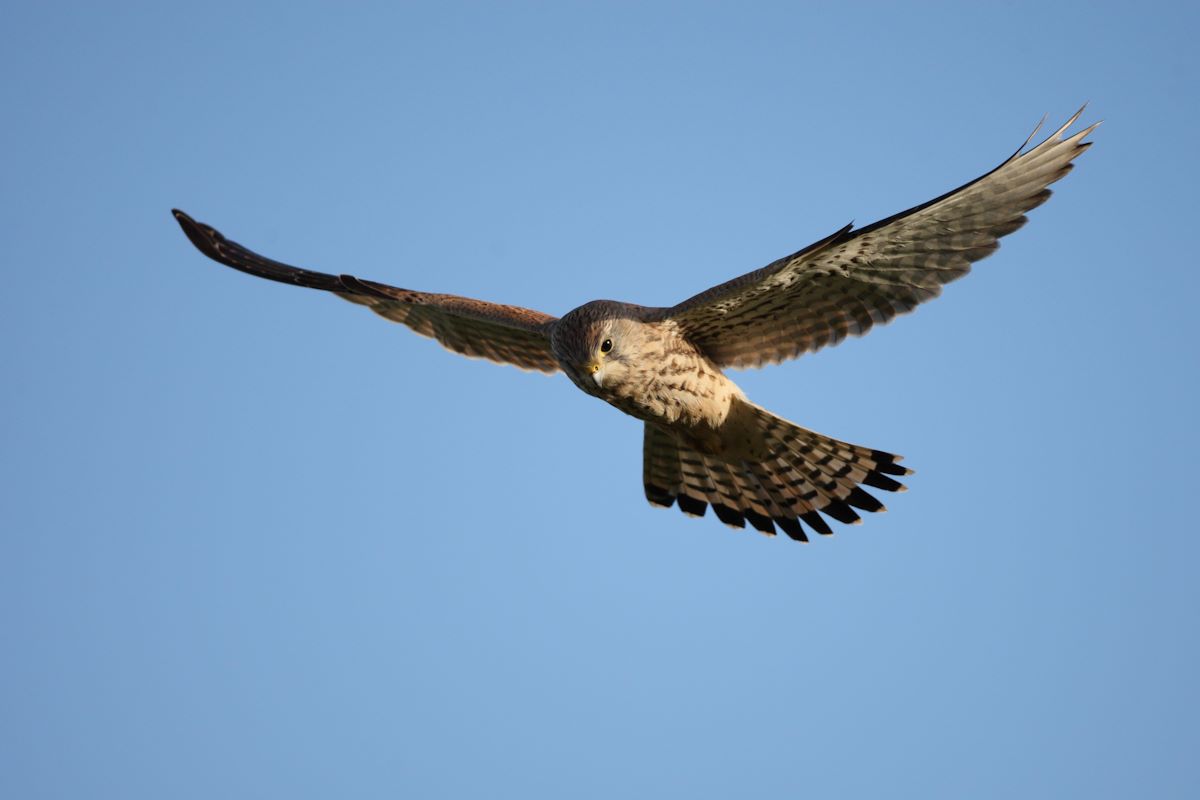
Keep an eye on the sky for soaring buzzards, red kites and hovering kestrels. In the summer, hobbies can be seen hunting for flying insects over the lakes. You may also be lucky enough to see an osprey, a bird that usually visits the park every year on its autumn migration back to Africa. It often stops for a few days to feed up on fish from the lakes before continuing its long journey south.
Image
Image

To help us continue to
protect this unique habitat,
let us know what wildlife
you have seen at the park.


Wildlife sighting form


Wildlife Sighting Form
Maximum upload size: 10.24MB