
 One of Britain’s rarest wetland plants has taken root at Panshanger Park, thanks to a major conservation effort to save it from extinction. The critically endangered Scarce Tufted-sedge (Carex Cespitosa) has been successfully introduced to a specially prepared area of the park, one of only four new sites in Hertfordshire chosen to support the species’ recovery.
Once found at just a single site in the UK, a privately-owned Local Wildlife Site in Hertfordshire, the Scarce Tufted-sedge faced an uncertain future. Now, thanks to work led by Herts and Middlesex Wildlife Trust and supported by funding from Natural England’s Species Recovery Programme, more than 900 plants have been grown and planted across four sites. Panshanger Park, managed by Maydencroft on behalf of Tarmac, has played a leading role in the project.
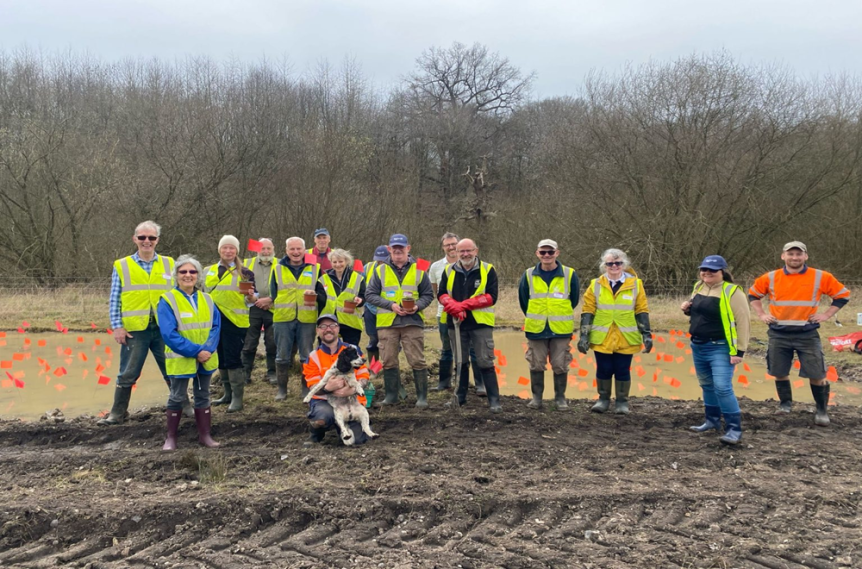
At Panshanger Park, the park’s ranger team created new wetland scrapes within Broadwater Marsh to replicate the muddy, waterlogged conditions the sedge needs to thrive. Fifteen of the park’s dedicated volunteers helped plant 375 young sedge plants – all of which were grown at a specialist nursery based at Nosterfield Nature Reserve in North Yorkshire, a restored Tarmac quarry managed by the Lower Ure Conservation Trust.
Michael Charlton, Estates Manager at Tarmac, said: “We’re incredibly proud that Panshanger Park was selected as one of the new homes for the Scarce Tufted-edge. This is a truly special site with a rich history of supporting wildlife and it’s great to see it playing a role in the recovery of one of the UK’s rarest plants. Conservation is a key part of our stewardship of the park, and this project is a great example of what can be achieved through collaboration, careful planning and a shared commitment to restoring nature.”
Chloë Edwards, Director of Nature Recovery at Herts and Middlesex Trust, said: “Over time, many of the wonderful wet and squelchy areas across our landscapes in Hertfordshire, where wetland plants such as Scarce Tufted-sedge would have once thrived, have been lost. The decline of the Scarce Tufted-sedge is indicative of a much broader loss of wetland habitats and their associated benefits, whether it be the home they provide to many other species, the resilience they provide to us during times of drought and flood, or their ability to lock up carbon. As an incredibly rare species, the Scarce Tufted-sedge is an important plant in its own right and targeted schemes such as this help us to learn what we must do in order to protect plant diversity, but they also enable us to start to restore the ecological integrity of our wetland environments.”.
“Taking steps to establish four new Scarce Tufted-sedge populations in Hertfordshire, is a fantastic step towards ensuring this species isn’t vulnerable to extinction, and our learnings will hopefully help shape the return of this species to more locations both within and beyond our county boundaries in future. Importantly, this scheme clearly demonstrates that with specialist expertise, investment and planning (plus the help of a dedicated bunch of volunteers) we can take tangible, targeted action to help reverse nature’s decline and that provides us all with hope for the future.”
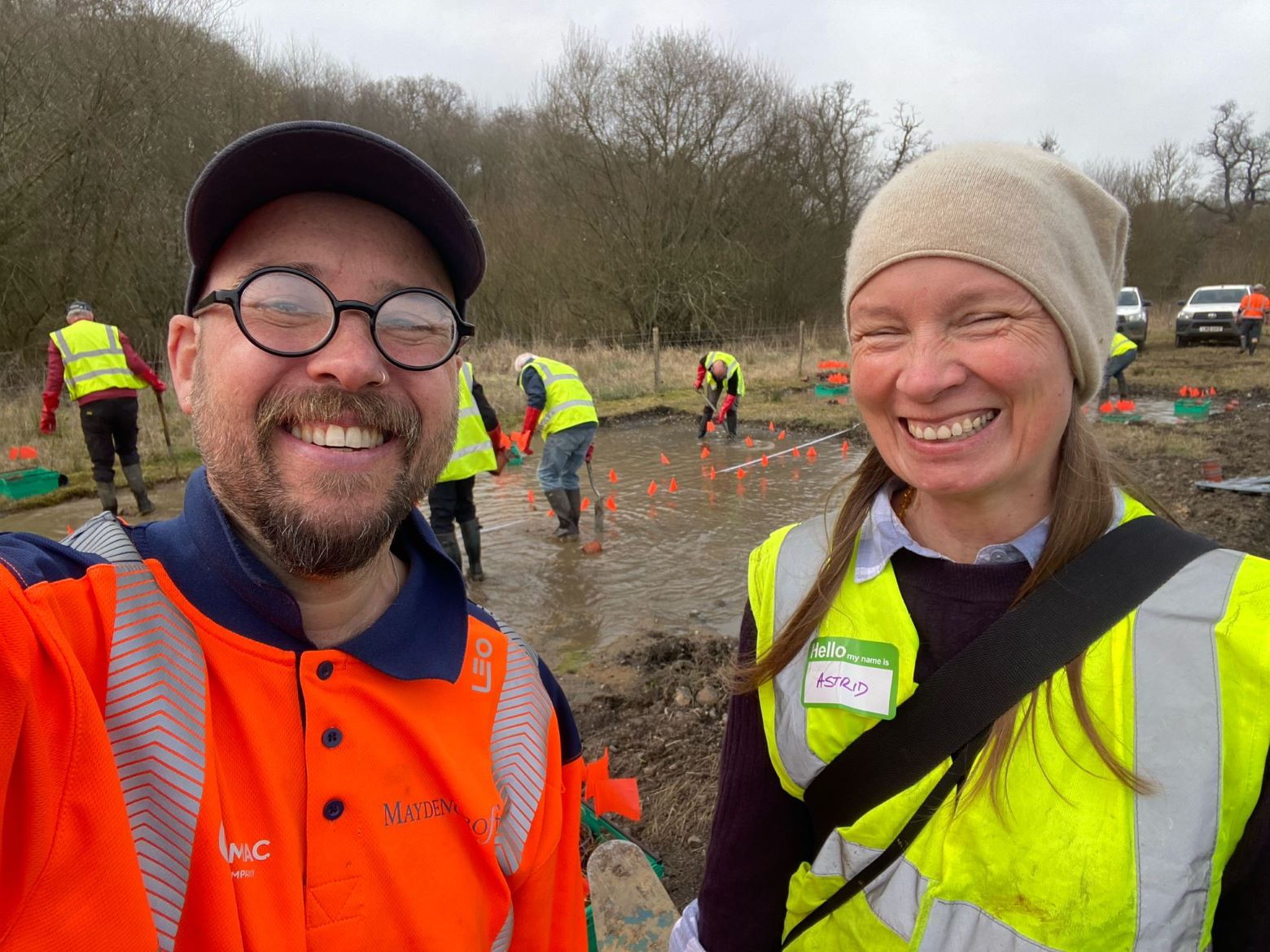 Astrid Biddle, Consultant Ecologist, added: “With our care of the special and rare plants supported in habitats like these, we seek to bring an appreciation of their value, not only as the green backdrop for our other endangered species, or as keystones upon which these species depend, but as the extraordinary and complex marvels in their own right.
“I cannot thank Panshanger Park enough for all your help and the really slick team effort! The volunteer team thought for themselves, but also asked sensible questions, and it’s such a valuable asset for Panshanger Park. The Park ranger team were superb, and altogether, it was a truly outstanding effort from all of you.”
